How to Set Up SLA Monitoring and Reporting for Enterprise Apps
Learn to implement comprehensive SLA monitoring systems that track performance metrics, automate reports, and ensure enterprise applications meet service level agreements consistently.
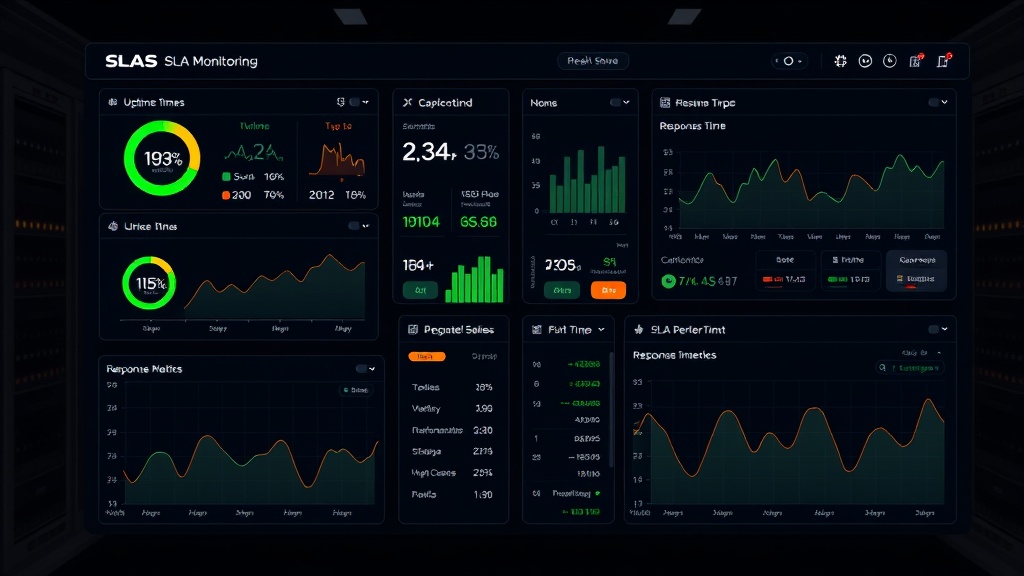
TL;DR: Setting up SLA monitoring for enterprise applications requires defining clear metrics (uptime, response time, throughput), implementing automated monitoring tools, creating real-time dashboards, and establishing automated reporting workflows. This guide covers the complete setup process from metric selection to stakeholder communication.
Understanding SLA Monitoring Fundamentals
Service Level Agreement (SLA) monitoring goes beyond basic uptime checks. It's about measuring and reporting on specific performance commitments your organization makes to customers or internal stakeholders.
Enterprise applications typically require monitoring across multiple dimensions: availability, performance, capacity, and user experience. Each dimension needs specific metrics and thresholds that align with your SLA commitments.
The key difference between regular monitoring and SLA monitoring is accountability. SLA monitoring creates a formal framework for measuring service quality against contractual or operational agreements.
Defining Your SLA Metrics
Core Performance Indicators
Start by identifying the metrics that matter most to your business and users. The most common enterprise SLA metrics include:
- Uptime percentage: Usually expressed as 99.9% or 99.99% availability
- Response time: Average and 95th percentile response times under normal load
- Throughput: Requests per second or transactions per minute capacity
- Error rate: Percentage of failed requests or transactions
- Time to recovery: How quickly service is restored after incidents
Setting Realistic Thresholds
Your SLA thresholds should be achievable yet ambitious. Analyze historical performance data from the past 12 months to establish baseline metrics.
For example, if your application historically maintains 99.95% uptime, setting an SLA of 99.9% provides a reasonable buffer while still committing to high availability.
Consider seasonal variations and peak usage periods when setting thresholds. An e-commerce platform might need different SLA targets during Black Friday compared to regular operations.
Implementing Monitoring Infrastructure
Multi-Layer Monitoring Approach
Enterprise applications require monitoring at multiple layers:
Infrastructure Layer: Monitor servers, databases, networks, and cloud resources. Track CPU usage, memory consumption, disk I/O, and network latency.
Application Layer: Monitor application-specific metrics like queue lengths, cache hit rates, and business transaction completion rates.
User Experience Layer: Implement synthetic monitoring to simulate user journeys and real user monitoring (RUM) to capture actual user experiences.
Automated Data Collection
Set up automated data collection agents across your infrastructure. Modern monitoring tools can collect metrics every few seconds, providing granular visibility into performance trends.
Configure your monitoring system to capture both technical metrics and business metrics. For instance, an e-commerce application should monitor both server response times and successful order completion rates.
Ensure your monitoring covers all critical dependencies, including third-party APIs, CDNs, and external services that could impact your SLA performance.
Creating Effective Dashboards
Real-Time SLA Status Displays
Build dashboards that clearly show current SLA performance against targets. Use color coding (green/yellow/red) to make status immediately apparent.
Display both current performance and trend data. A dashboard showing 99.8% uptime for the current month is more meaningful when you can see the weekly trend.
Include historical comparison data. Showing current performance against the same period last year helps identify seasonal patterns and long-term improvements.
Executive-Level Views
Create simplified dashboards for executive stakeholders who need high-level SLA status without technical details. Focus on:
- Overall SLA compliance percentage
- Key performance trends
- Business impact of any SLA breaches
- Improvement initiatives and their results
Automated Reporting Systems
Daily and Weekly Reports
Set up automated daily reports that summarize SLA performance for the previous 24 hours. Include:
- Achievement percentages for each SLA metric
- Any threshold breaches and their duration
- Notable performance improvements
- Upcoming maintenance windows that might affect SLAs
Weekly reports should provide deeper analysis, including trend comparisons and performance pattern identification.
Monthly SLA Scorecards
Develop comprehensive monthly reports that serve as formal SLA compliance documentation. These reports should include:
- Detailed performance statistics for each SLA metric
- Root cause analysis for any SLA breaches
- Corrective actions taken and their effectiveness
- Performance improvements implemented during the period
Stakeholder Communication
Customize reports for different audiences. Technical teams need detailed metrics and diagnostic information, while business stakeholders need impact-focused summaries.
Automate report distribution to ensure consistent communication. Schedule reports to arrive at optimal times when recipients are most likely to review them.
Alerting and Escalation Procedures
Proactive Alert Configuration
Configure alerts to trigger before SLA breaches occur. Set warning thresholds at 80% of your SLA limits to provide early intervention opportunities.
Implement multi-level alerting:
- Warning alerts for approaching thresholds
- Critical alerts for SLA breaches
- Business impact alerts for customer-affecting issues
Escalation Workflows
Define clear escalation paths based on SLA severity and duration. A 5-minute response time SLA breach might require immediate technical response, while an availability breach might need executive notification.
Document escalation procedures and ensure all team members understand their roles. Include contact information, response time expectations, and decision-making authority at each level.
Integration with Status Pages
Transparent communication builds customer trust and reduces support burden during incidents. Modern status page solutions like Livstat can automatically pull SLA monitoring data to provide real-time service status updates to customers.
Configure your status page to display relevant SLA metrics without overwhelming users with technical details. Show overall service health and any ongoing issues that might affect user experience.
Automate status page updates based on your SLA monitoring data. When monitoring systems detect SLA breaches, your status page should automatically reflect the current service status.
Compliance and Audit Requirements
Data Retention Policies
Establish data retention policies that meet your compliance requirements. Many industries require maintaining SLA performance data for specific periods.
Store monitoring data in formats that support audit requirements. Ensure data integrity and implement proper backup procedures for historical performance records.
Regular SLA Reviews
Schedule quarterly SLA reviews to assess whether current targets remain appropriate. Business requirements change, and SLAs should evolve accordingly.
Use historical performance data to identify opportunities for SLA improvements or adjustments. If you're consistently exceeding SLA targets by large margins, consider tightening them to drive operational excellence.
Continuous Improvement Framework
Performance Trend Analysis
Regularly analyze performance trends to identify improvement opportunities. Look for:
- Gradual performance degradation that might indicate capacity issues
- Recurring performance patterns that suggest optimization opportunities
- Correlation between different metrics that reveal system bottlenecks
SLA Target Evolution
As your infrastructure and processes mature, consider gradually improving SLA targets. This demonstrates continuous commitment to service quality and operational excellence.
Document the business case for SLA changes, including expected costs and benefits. Involve stakeholders in SLA evolution decisions to ensure alignment with business priorities.
Conclusion
Effective SLA monitoring and reporting requires a comprehensive approach that combines technical monitoring, automated reporting, and clear stakeholder communication. By implementing proper monitoring infrastructure, creating meaningful dashboards, and establishing automated reporting workflows, you can ensure consistent SLA compliance while building customer confidence in your service reliability.
The key to success is starting with clear, measurable SLA definitions and building monitoring systems that provide actionable insights for continuous improvement. Regular review and refinement of your SLA monitoring approach ensures it remains aligned with evolving business needs and customer expectations.


