How to Set Up Status Page Monitoring for Fintech Applications
Learn how to implement comprehensive status page monitoring for fintech apps, covering payment processors, compliance requirements, and real-time transaction monitoring.
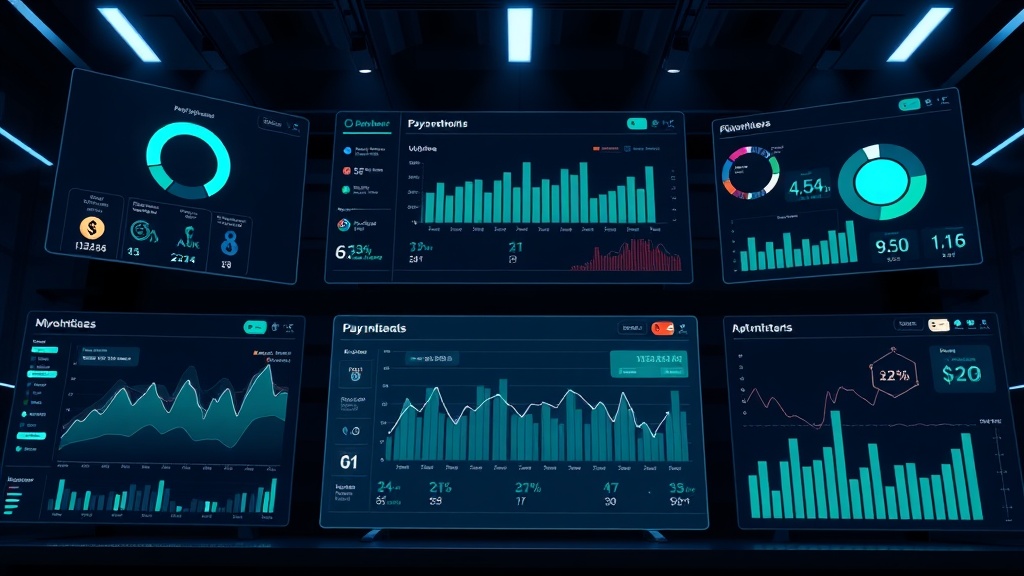
TL;DR: Fintech applications require specialized status page monitoring that covers payment processors, regulatory compliance, security incidents, and real-time transaction flows. Focus on monitoring critical financial services, implementing multi-layered alerts, and maintaining transparent communication during incidents while protecting sensitive financial data.
Why Fintech Applications Need Specialized Monitoring
Fintech applications operate in one of the most demanding environments in tech. When your payment processing goes down, customers can't complete transactions. When your trading platform experiences latency, users lose money.
Unlike typical SaaS applications, fintech systems handle real money and are subject to strict regulatory requirements. A single outage can result in significant financial losses, regulatory penalties, and permanent damage to customer trust.
The average cost of downtime for financial services is $9,000 per minute according to 2026 industry reports. This makes robust status page monitoring not just a nice-to-have, but a business-critical requirement.
Core Components to Monitor in Fintech Applications
Payment Processing Systems
Your payment infrastructure is the heart of your fintech application. Monitor these critical components:
- Payment gateway availability: Track uptime for primary and backup payment processors
- Transaction processing times: Set thresholds for acceptable payment completion times
- Settlement systems: Monitor batch processing and reconciliation services
- Card network connectivity: Track connections to Visa, Mastercard, and other networks
Banking and Financial APIs
Most fintech applications rely on third-party banking APIs. Monitor:
- Account aggregation services: Track Plaid, Yodlee, or similar providers
- Bank API response times: Monitor latency for account balance checks and transfers
- Authentication services: Track OAuth flows and multi-factor authentication systems
- Regulatory reporting APIs: Monitor connections to compliance and reporting systems
Security and Fraud Detection
Security monitoring requires special attention in fintech:
- Fraud detection engines: Monitor ML models and rule engines for anomalies
- Identity verification systems: Track KYC/AML processing times
- Encryption services: Monitor certificate validity and key management systems
- Access control systems: Track authentication and authorization failures
Setting Up Monitoring Checks
Transaction Flow Monitoring
Create synthetic transactions that mirror real user journeys:
- End-to-end payment flows: Simulate complete payment cycles from initiation to settlement
- Account linking verification: Test the full account connection process
- Fund transfer simulations: Monitor P2P transfers, ACH transactions, and wire transfers
- Balance inquiry checks: Verify real-time account balance retrieval
Set up these checks to run every 1-2 minutes for critical paths and every 5-10 minutes for secondary flows.
API Endpoint Monitoring
Fintech APIs require more granular monitoring than typical REST APIs:
- Rate limiting compliance: Ensure your monitoring doesn't exceed API limits
- Response time thresholds: Set aggressive SLAs (typically <500ms for payment APIs)
- Error rate monitoring: Track 4xx and 5xx responses, with special attention to 429 (rate limit) errors
- Data integrity checks: Validate response schemas and critical data fields
Database and Data Pipeline Monitoring
Financial data requires real-time accuracy:
- Transaction database performance: Monitor query response times for account balances and transaction histories
- Data synchronization: Track ETL processes and data pipeline health
- Backup and recovery systems: Ensure disaster recovery capabilities are functional
- Data encryption status: Monitor encryption at rest and in transit
Compliance and Regulatory Considerations
Data Privacy Requirements
When setting up status page monitoring for fintech applications, you must balance transparency with privacy:
- Never expose sensitive financial data in status messages
- Use generic descriptions like "Payment Processing" instead of specific customer information
- Implement role-based access for detailed incident information
- Ensure your monitoring tools comply with PCI DSS, SOX, and relevant regulations
Incident Communication Standards
Fintech incident communication has unique requirements:
- Regulatory notifications: Some incidents must be reported to financial authorities within specific timeframes
- Customer communication: Clear, timely updates about service availability without revealing security details
- Partner notifications: Banks and payment processors may require immediate notification of certain incidents
- Media management: Prepare for potential media attention during significant outages
Advanced Monitoring Strategies
Multi-Region Financial Monitoring
Fintech applications often operate across multiple jurisdictions:
- Set up monitoring from different geographic regions to detect regional issues
- Account for different banking hours and settlement windows across time zones
- Monitor currency conversion APIs and exchange rate services
- Track region-specific compliance and reporting systems
Real-Time Financial Metrics
Beyond basic uptime monitoring, track business-critical financial metrics:
- Transaction volume deviations: Alert when transaction volumes drop significantly
- Processing time anomalies: Detect when payment processing times exceed normal ranges
- Currency fluctuation impacts: Monitor how market volatility affects your services
- Liquidity monitoring: Track available funds and credit limits in real-time
Integration with Financial Systems
Your status page monitoring should integrate with existing financial infrastructure:
- Connect to core banking systems for real-time status updates
- Integrate with risk management platforms to correlate incidents with financial impact
- Link to trading systems to monitor market data feeds and order execution
- Connect to accounting systems to track the financial impact of incidents
Implementation Best Practices
Alerting and Escalation
Fintech applications require sophisticated alerting:
- Immediate alerts for payment processing failures or security incidents
- Escalation paths that include compliance and risk management teams
- Automated notifications to regulatory bodies when required
- Customer communication templates pre-approved by legal and compliance teams
Testing and Validation
Regularly test your monitoring setup:
- Conduct monthly failover tests to ensure backup systems work correctly
- Simulate various failure scenarios including payment processor outages
- Test incident response procedures with cross-functional teams
- Validate that all regulatory notification requirements are met
Performance Optimization
Fintech monitoring systems must be highly performant:
- Use dedicated monitoring infrastructure to avoid impacting production systems
- Implement intelligent alerting to reduce false positives
- Optimize check frequencies based on business impact and system characteristics
- Use caching strategies to reduce load on monitored systems
Choosing the Right Tools
When selecting status page monitoring tools for fintech applications, consider:
- Security certifications: Ensure SOC 2, PCI compliance
- Integration capabilities: API connections to your financial systems
- Customization options: Ability to create fintech-specific dashboards
- Compliance features: Built-in regulatory reporting capabilities
Platforms like Livstat offer fintech-specific features including secure incident communication, compliance-ready reporting, and integration with common financial APIs.
Conclusion
Setting up effective status page monitoring for fintech applications requires a comprehensive approach that goes beyond basic uptime checks. Focus on monitoring critical financial flows, maintaining regulatory compliance, and providing transparent communication while protecting sensitive data.
Remember that in fintech, your monitoring system isn't just about preventing downtime—it's about maintaining the trust that forms the foundation of all financial relationships. Invest in robust monitoring infrastructure that can scale with your business and adapt to evolving regulatory requirements.
Start with the core components outlined above, then gradually expand your monitoring coverage as your fintech application grows in complexity and scale.