AI-Generated Incident Summaries: LLMs Reshape Status Pages in 2026
LLMs now draft, translate, and tone-check incident updates in seconds. Here's how AI-generated incident summaries are changing status page communication in 2026.

TL;DR: In 2026, large language models (LLMs) are embedded directly into incident management workflows, turning raw monitoring data and on-call notes into clear, customer-ready status page updates in seconds. This cuts time-to-first-update, reduces inconsistent messaging, and frees engineers from writing prose during active incidents — but it introduces new risks around accuracy, tone, and over-reliance that teams need to manage carefully.
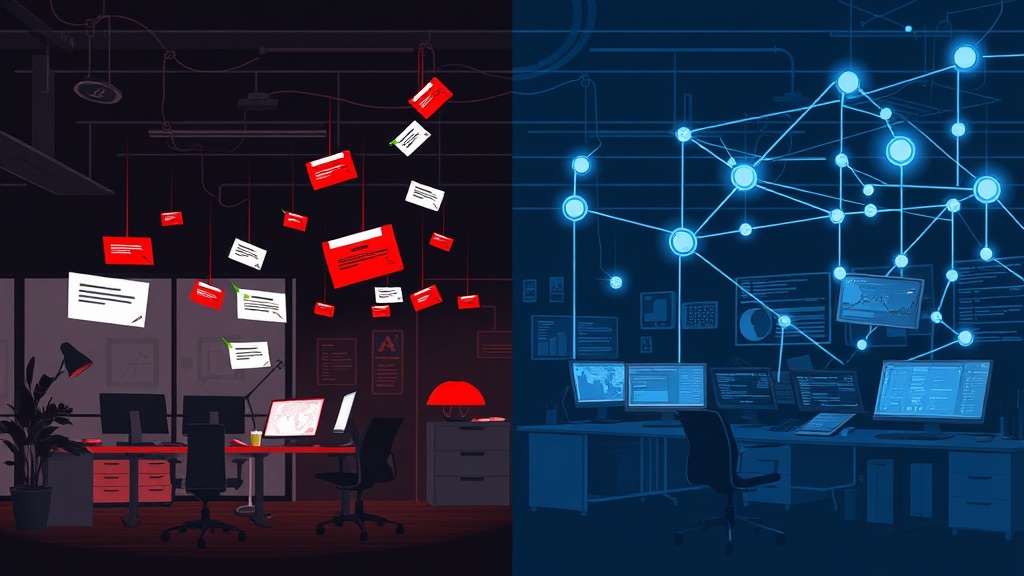
Five years ago, writing a status page update meant an engineer pausing mid-firefight to type out a sentence explaining what customers were seeing. That sentence often arrived 20-30 minutes after detection, written in whatever tone the on-call happened to be in at 2 a.m.
In 2026, that workflow looks very different. LLMs sit between your monitoring stack and your status page, converting structured incident data into polished, consistent customer communication almost instantly.
Why Incident Communication Needed an Overhaul
Status page updates have always had a tension problem. Engineers want to spend time fixing the issue, not wordsmithing a public message. But customers judge your reliability as much by how you communicate during an outage as by the outage itself.
Research from incident management vendors has repeatedly shown the same pattern: companies that post updates within 5 minutes of detection see significantly fewer support tickets than those that take 30+ minutes. Yet most teams couldn't hit that window consistently because writing good copy under pressure is hard.
LLMs close that gap by removing the writing bottleneck entirely.
How AI-Generated Summaries Actually Work
The mechanics are simpler than they sound. Modern incident tooling feeds an LLM a combination of:
- Monitor alert data (which services are down, error rates, affected regions)
- On-call engineer notes or Slack thread context
- Historical incident templates and your brand's tone guidelines
- Previous updates in the same incident, to maintain continuity
The model then drafts a status update matching your established voice — calm, factual, and appropriately scoped. Instead of an engineer typing "API is down for some users, investigating," the system might produce: "We're investigating elevated error rates affecting API requests in the US-East region. Some customers may experience failed requests. We'll share an update within 15 minutes."
That's not a minor rewording — it's the difference between a vague, anxiety-inducing message and one that sets clear expectations.
Three Ways LLMs Are Changing Status Pages This Year
1. Draft-and-approve workflows replace blank-page writing
Instead of staring at an empty text box during an active incident, responders now get an AI-generated draft the moment a monitor fires. Their job shifts from "write this" to "review and approve this," which takes seconds instead of minutes.
This matters because the first update is the hardest one to write — there's no established context yet, and every word gets scrutinized by anxious customers.
2. Multi-language updates ship simultaneously
Global SaaS companies used to delay translated status updates by hours, if they posted them at all. LLMs now generate accurate translations alongside the English original, so a customer in Tokyo and one in Berlin see equivalent information at the same time.
This is a meaningful equity issue: customers outside English-speaking markets have historically gotten worse incident communication, and AI translation is closing that gap fast.
3. Postmortems write themselves — mostly
By pulling timeline data from your monitoring platform, chat logs, and resolved tickets, LLMs can generate a first-draft postmortem within minutes of resolution. Engineers still need to verify root cause analysis and remediation steps, but the tedious timeline reconstruction and formatting work is largely automated.
Teams report cutting postmortem turnaround from days to hours — which matters because postmortems lose credibility the longer they take to publish after an incident closes.
What Good AI-Assisted Updates Look Like
Not every AI-generated summary is useful. The good ones share a few traits:
- They're scoped accurately. "Some users" vs. "all users" vs. "customers on the EU cluster" — vague scoping erodes trust faster than almost anything else.
- They avoid speculation. A well-tuned model sticks to confirmed facts from monitoring data rather than guessing at root cause before engineers confirm it.
- They match your established tone. Jarring shifts in voice between updates make customers suspicious that something's being hidden.
- They include a clear next step. "We'll post another update by [time]" should appear in nearly every draft.
If your AI-generated updates are missing any of these, the model needs better context or tighter guardrails — not necessarily more sophistication.
The Risks Nobody Talks About
AI drafting isn't risk-free, and teams that treat it as fully autonomous are setting themselves up for problems.
- Hallucinated root causes. If an LLM has access to speculative Slack chatter, it may confidently state a cause that engineers haven't actually confirmed. Always require human sign-off before publishing.
- Overconfident timelines. Models trained on historical resolution data sometimes generate ETAs that sound authoritative but aren't grounded in the current incident's complexity.
- Tone drift during severe incidents. A model tuned for routine blips can sound inappropriately casual during a major outage. Severity-aware prompting is essential.
- Legal and compliance exposure. For regulated industries, an AI-drafted sentence that implies liability or data loss before it's confirmed can create real legal risk. Human review isn't optional here.
The practical fix is a human-in-the-loop model: AI drafts, a person approves. This preserves speed while keeping accountability where it belongs.
How to Start Using LLMs in Your Incident Workflow
You don't need to build custom AI infrastructure to benefit from this shift. A practical rollout looks like:
- Start with drafting, not publishing. Let the model generate suggested copy that a human reviews before it goes live.
- Feed it structured data, not raw noise. Clean monitor payloads and templated context produce far better drafts than unstructured chat logs alone.
- Build a tone library. Give the model 10-15 examples of your best past updates so it learns your voice.
- Set severity-specific rules. Critical incidents should trigger more conservative, fact-only drafting; minor degradations can use looser, friendlier phrasing.
- Audit monthly. Review a sample of AI-assisted updates against what actually happened to catch drift or inaccuracy early.
Platforms built for incident communication — including Livstat — are increasingly baking this drafting assistance directly into the incident creation flow, so responders get a usable update suggestion the moment a monitor fires, without needing a separate AI tool.
The Bigger Shift: From Writing to Editing
The underlying change here isn't really about AI being clever — it's about reallocating human attention. Engineers are editors now, not authors, when it comes to incident communication. That's a smaller cognitive load during exactly the moment when attention is scarcest.
Key Takeaway
LLMs won't replace the judgment calls that go into deciding what to tell customers during an outage — but they've already replaced the blank page. Teams that pair AI-generated drafts with fast human review are posting faster, more consistent, and more multilingual updates than ever before. The teams still writing every update from scratch in 2026 aren't just slower — they're falling behind a standard customers increasingly expect.