Major Cloud Outages in 2026: Lessons for Incident Communication
2026's biggest cloud outages exposed the same communication failures year after year. Here's what they teach us about status pages, transparency, and customer trust.
TL;DR: 2026 has already delivered several high-profile cloud and infrastructure outages, each one revealing the same communication gaps: delayed updates, vague language, and silence during the hours customers need information most. The fix isn't more infrastructure redundancy — it's a faster, more honest incident communication process backed by a reliable status page.
2026 Has Been a Rough Year for Cloud Reliability
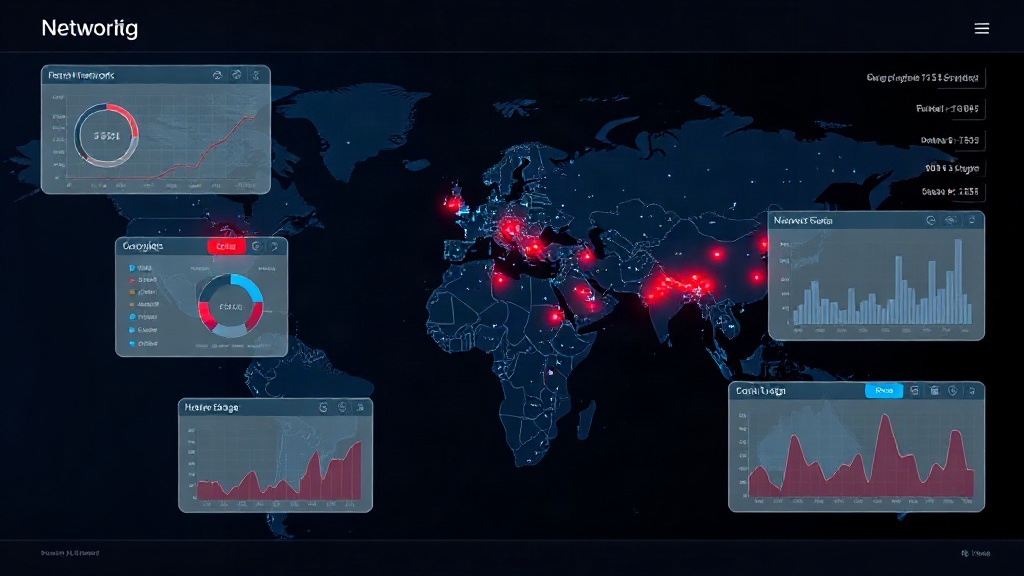
By mid-2026, multiple regional outages at major cloud and CDN providers have taken down thousands of downstream SaaS products simultaneously. A single DNS misconfiguration, a bad BGP route, or a failed control-plane deployment can now ripple across e-commerce, banking, healthcare, and media platforms within minutes.
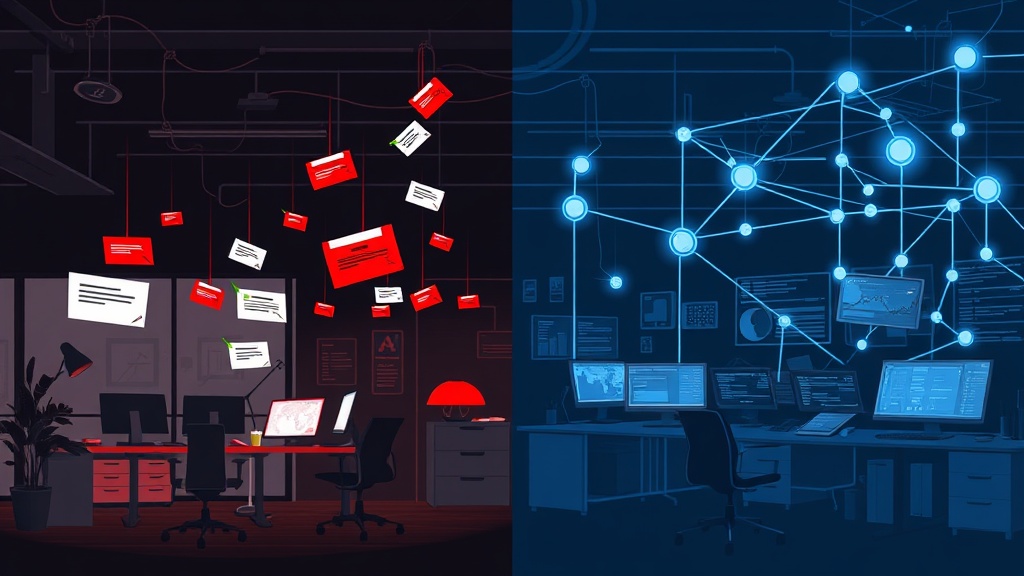
The technical root causes vary — config drift, capacity exhaustion, certificate expiry, cascading retries — but the communication failures that follow look almost identical every time. Customers don't remember the exact root cause six months later. They remember how it felt to be left in the dark.
The Pattern Repeats: Silence, Vagueness, Then Overcorrection
Across this year's biggest incidents, a predictable timeline keeps showing up:
- Minutes 0–15: Internal teams detect anomalies, but no public acknowledgment exists yet. Social media fills the gap with speculation.
- Minutes 15–45: A status page finally updates, often with generic language like "investigating elevated error rates."
- Hour 1–3: Updates slow down or stop entirely while engineers work the problem, leaving customers refreshing a page that hasn't changed in 90 minutes.
- Post-incident: A delayed, overly technical postmortem arrives days later, after trust has already eroded.
This pattern isn't a technology problem. It's a process and ownership problem — and it's entirely preventable.
Lesson 1: Detection Speed Determines Communication Speed
If your monitoring takes 20 minutes to confirm an outage, your communication will always be 20 minutes behind customer complaints. In several 2026 incidents, customers reported issues on social media before the affected company's own status page updated.
- Set uptime check intervals aggressive enough to catch regional degradation within 1-2 minutes, not 10.
- Monitor from multiple geographic regions so you can distinguish a localized ISP issue from a true provider-wide outage.
- Treat your monitoring-to-status-page pipeline as critical infrastructure — if it's manual, it's too slow.
Lesson 2: "Investigating" Is Not an Update
The single most common complaint in post-incident customer surveys this year was that status updates felt like placeholders rather than real information. Saying "we are investigating" for three consecutive updates with no new detail reads as silence with extra steps.
Every update should answer at least one of these questions for the reader:
- What is affected right now, specifically?
- What is not affected (so customers can rule things out)?
- What is the team currently doing about it?
- When should the customer expect the next update, even if it's just "in 30 minutes"?
Even when you don't have a root cause, you almost always have scope and next steps. Share those.
Lesson 3: Dependency Outages Still Require Your Own Statement
A recurring theme in 2026's incidents is companies assuming that because the failure originated upstream — a cloud provider, a payment processor, an auth service — they don't need to communicate directly. Customers disagree. They don't care whose infrastructure failed; they care that your product doesn't work.
When a third-party dependency fails:
- Post your own incident immediately, even if it just says "we're seeing impact tied to an upstream provider issue and are monitoring it closely."
- Link to the upstream provider's status page for transparency, but don't rely on it as your only communication channel — many customers won't know to look there.
- Keep updating on your own timeline, not the upstream provider's, since their updates are often slower or less detailed than what your customers need.
If you're tracking third-party dependencies, build that visibility into your own status page monitoring strategy for cloud infrastructure so outages upstream show up on your radar before customers start filing tickets.
Lesson 4: Multi-Region Doesn't Mean Multi-Narrative
Several 2026 outages affected only specific regions or availability zones, but company-wide status pages posted blanket "all systems down" messages anyway. This creates unnecessary panic among customers in unaffected regions and dilutes the signal for those genuinely impacted.
- Break your status page into clear component groups by region or service.
- Update only the affected components, and clearly mark unaffected ones as operational.
- Avoid one giant banner that implies total outage when the real impact is partial.
Lesson 5: The Postmortem Is Part of the Incident, Not an Afterthought
Companies that recovered reputation fastest after 2026's outages published detailed, specific postmortems within 48–72 hours. Companies that took two weeks or published vague summaries saw measurably higher churn in the following quarter, according to several customer success teams reporting anecdotally on these incidents.
A strong postmortem includes:
- A precise timeline with timestamps
- The specific technical root cause, in plain language first, technical detail after
- Concrete prevention steps, not generic promises like "we're investing in reliability"
- Acknowledgment of customer impact, including any SLA credits or compensation
Lesson 6: Internal Escalation Delays Become Public Communication Delays
In more than one 2026 incident, the technical fix was identified within 30 minutes, but the public update didn't go out for another hour because of unclear ownership over who was authorized to post. Don't let approval bottlenecks slow down your customer-facing communication.
- Pre-authorize on-call engineers or incident commanders to post status updates without waiting for manager sign-off.
- Use pre-approved templates for common severity levels so nobody is drafting language from scratch during a crisis.
- Separate the technical incident channel from the customer communication channel so one doesn't block the other.
What to Actually Do Before the Next Outage Hits
You can't prevent every cloud provider failure, but you can control how your company responds. Before your next incident:
- Audit how long it currently takes from detection to first public update — aim for under 5 minutes.
- Write severity-based communication templates now, not during the fire.
- Confirm your status page runs on infrastructure independent from your primary stack, so it stays up when everything else doesn't.
- Assign clear ownership for who can post updates during off-hours and weekends.
Key Takeaway
2026's cloud outages haven't introduced new failure modes — they've just made the cost of slow, vague communication more visible than ever, because customers now expect real-time transparency as the default. The companies that come out of these incidents with their reputation intact aren't the ones with perfect infrastructure. They're the ones who tell customers the truth, fast, and keep telling them until the problem is actually resolved.