How to Monitor Third Party API Dependencies Uptime in 2026
Third-party API failures cost businesses an average of $300K per hour in 2026. Learn proven strategies to monitor external API uptime and prevent dependency failures from taking down your application.
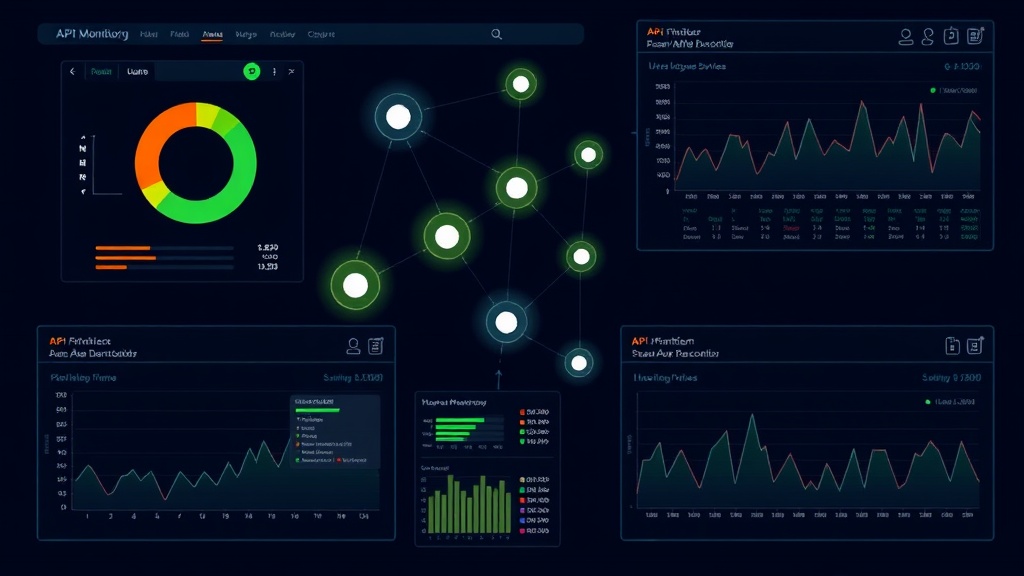
TL;DR: Modern applications rely heavily on third-party APIs, but external dependency failures can cripple your service. This guide covers comprehensive monitoring strategies including health checks, synthetic transactions, error rate tracking, and automated alerting to ensure your API dependencies stay healthy and your users stay happy.
Why Third Party API Monitoring Matters More Than Ever
Your application is only as reliable as its weakest dependency. In 2026, the average SaaS application integrates with 127 third-party APIs, from payment processors like Stripe to communication services like Twilio.
When these external APIs fail, they take your application down with them. According to recent industry data, 73% of major outages in 2026 were caused by third-party service failures rather than internal infrastructure issues.
The financial impact is staggering. A single hour of API dependency downtime costs businesses an average of $300,000 in lost revenue and damaged customer trust. That's why proactive monitoring isn't optional—it's essential.
Understanding API Dependency Failure Patterns
Third-party APIs fail in predictable ways. Understanding these patterns helps you build more effective monitoring strategies.
Complete Service Outages
The most obvious failure mode is when an API becomes completely unreachable. These outages are easy to detect but often the most damaging because they affect all functionality dependent on that service.
Partial Degradation
More common and harder to detect are partial failures. An API might respond to 95% of requests while failing the remaining 5%. Your application appears to work for most users while a subset experiences errors.
Performance Degradation
APIs may remain functional but respond slowly. Response times increasing from 200ms to 3 seconds can feel like a complete failure to end users, even though the API technically works.
Rate Limiting and Throttling
Third-party services implement rate limits that can trigger unexpectedly during traffic spikes. Your monitoring needs to distinguish between legitimate rate limiting and actual service issues.
Essential Monitoring Components
Health Check Endpoints
Establish dedicated health check endpoints for each critical API dependency. These lightweight requests should test core functionality without consuming significant API quotas.
Create health checks that mirror your application's actual usage patterns. If your app primarily makes POST requests to create resources, your health check should do the same rather than just pinging a status endpoint.
Implement different check frequencies based on criticality. Monitor payment APIs every 30 seconds, while less critical services might only need checks every 5 minutes.
Synthetic Transaction Monitoring
Go beyond simple ping tests with synthetic transactions that replicate real user workflows. For an e-commerce application, this might mean creating a test order, processing payment, and confirming delivery tracking.
Synthetic transactions catch issues that basic health checks miss. An API might respond with 200 OK while returning corrupted data or failing to process requests correctly.
Run synthetic transactions from multiple geographic locations to identify regional outages or performance issues that might not affect your primary monitoring location.
Error Rate and Response Time Tracking
Monitor both error rates and response times for all API calls your application makes. Set baselines during normal operation and alert when metrics exceed acceptable thresholds.
Track different types of errors separately. A spike in 429 (rate limiting) errors requires different responses than an increase in 500 (server error) responses.
Implement percentile-based alerting rather than simple averages. The 95th percentile response time tells you more about user experience than mean response time.
Dependency Mapping and Impact Analysis
Document which application features depend on each third-party API. This mapping helps prioritize monitoring efforts and guides incident response when dependencies fail.
Create a dependency hierarchy that shows cascading failure potential. If your authentication API depends on a third-party identity provider, failure affects your entire application.
Regularly audit and update dependency maps as your application evolves. New features often introduce new external dependencies that need monitoring coverage.
Implementing Effective Alert Strategies
Multi-Layered Alert Thresholds
Avoid alert fatigue with progressive threshold levels. Set warning alerts at 10% error rates, critical alerts at 25%, and emergency alerts at 50% or complete outages.
Implement time-based thresholds to reduce noise. A single failed request shouldn't trigger alerts, but 5 consecutive failures or a 20% error rate sustained for 2 minutes should.
Use different alert channels for different severity levels. Send warnings via email, critical alerts to Slack, and emergency alerts directly to on-call engineers via SMS.
Circuit Breaker Integration
Integrate monitoring alerts with circuit breaker patterns in your application code. When monitoring detects API degradation, automatically trigger circuit breakers to prevent cascading failures.
Implement gradual recovery monitoring. When a failed dependency comes back online, gradually increase traffic while monitoring for stability before fully reopening circuit breakers.
Geographic and Regional Monitoring
Deploy monitoring from multiple regions to detect localized outages. A third-party API might be down in US-East while remaining available in Europe.
Use regional monitoring data to implement smart routing. If monitoring detects issues with the primary API region, automatically route traffic to backup regions or alternative providers.
Advanced Monitoring Techniques
Correlation Analysis
Correlate API dependency metrics with your application's business metrics. Increased error rates from payment APIs should correlate with decreased successful transactions.
Implement anomaly detection that considers multiple signals simultaneously. A slight increase in response times combined with a small uptick in error rates might indicate emerging issues before they become critical.
Predictive Monitoring
Use machine learning to identify patterns that precede API failures. Many services show subtle performance degradation hours before complete outages.
Monitor third-party service status pages and social media accounts for early warning signs. Automated monitoring of these channels can provide advance notice of planned maintenance or emerging issues.
Business Impact Tracking
Connect technical metrics to business outcomes. Track how API dependency health correlates with revenue, user satisfaction scores, and support ticket volume.
This business context helps justify monitoring investments and guides prioritization when multiple dependencies experience issues simultaneously.
Building Your Monitoring Stack
Start with basic health checks and error rate monitoring for your most critical dependencies. Focus on the APIs that would cause the most business impact if they failed.
Gradually expand monitoring coverage to include synthetic transactions and advanced correlation analysis. This incremental approach prevents overwhelming your team while building comprehensive visibility.
Consider using monitoring platforms that integrate directly with status page solutions like Livstat to automatically communicate dependency issues to users when they affect service availability.
Conclusion
Monitoring third-party API dependencies isn't just about preventing outages—it's about maintaining user trust and business continuity in an increasingly connected world. Start with basic health checks and error rate monitoring for critical dependencies, then expand to comprehensive synthetic monitoring and predictive analysis.
Remember that effective API dependency monitoring requires both technical implementation and organizational process. Establish clear escalation procedures, maintain up-to-date dependency documentation, and regularly test your monitoring alerts to ensure they work when you need them most.
The investment in comprehensive API dependency monitoring pays dividends through reduced downtime, faster incident resolution, and maintained customer confidence even when the external services you rely on experience issues.