How to Set Up Status Page Monitoring for Mobile Apps in 2026
Learn to monitor mobile app performance with comprehensive status pages. Cover backend APIs, push notifications, and user experience metrics.
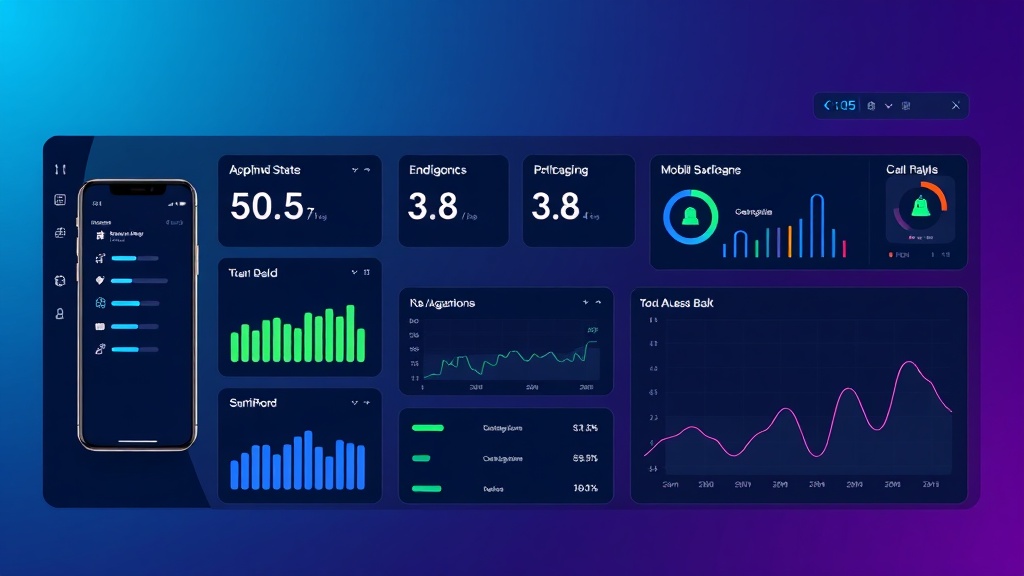
TL;DR: Mobile app monitoring requires tracking backend APIs, authentication services, push notifications, and real user metrics. Set up synthetic monitoring for key user flows, monitor third-party integrations, and create mobile-specific incident response procedures to maintain optimal app performance.
Understanding Mobile App Monitoring Challenges
Mobile apps present unique monitoring challenges that traditional web application monitoring doesn't address. Unlike web apps, mobile applications run on diverse devices with varying network conditions, operating systems, and hardware capabilities.
Your mobile app depends on multiple backend services, third-party APIs, and infrastructure components. A single point of failure can render your app unusable for thousands of users, yet traditional uptime monitoring often misses mobile-specific issues.
Mobile users expect seamless experiences. Research shows that 53% of users abandon mobile apps that take longer than 3 seconds to load, making proactive monitoring essential for user retention.
Key Components to Monitor
Backend API Endpoints
Start by identifying all API endpoints your mobile app calls. These typically include:
- User authentication and authorization services
- Core application data APIs
- File upload and media services
- Payment processing endpoints
- User profile and settings APIs
Set up HTTP monitoring for each critical endpoint. Test not just availability but also response times and data integrity. Configure alerts when response times exceed acceptable thresholds for mobile networks.
Authentication Systems
Authentication failures create the worst user experience. Monitor your authentication flows comprehensively:
- OAuth token generation and refresh
- Biometric authentication services
- Two-factor authentication systems
- Social login integrations (Google, Apple, Facebook)
Test authentication from different geographic locations to catch regional issues early. Authentication problems often manifest differently across various network conditions.
Push Notification Services
Push notifications drive user engagement, but they're notoriously unreliable. Monitor your notification infrastructure:
- Apple Push Notification Service (APNs) connectivity
- Firebase Cloud Messaging (FCM) delivery rates
- Notification delivery success rates
- Badge count and deep linking functionality
Track notification delivery times and success rates. Set up synthetic tests that verify end-to-end notification delivery to test devices.
Third-Party Integrations
Mobile apps heavily rely on external services. Common integrations to monitor include:
- Analytics platforms (Mixpanel, Amplitude)
- Crash reporting services (Crashlytics, Bugsnag)
- Payment processors (Stripe, PayPal)
- Map and location services
- Social media APIs
- Advertising networks
Each integration represents a potential failure point. Monitor these services' status pages and set up direct API monitoring where possible.
Setting Up Synthetic Monitoring
Critical User Flows
Identify the most important user journeys in your app. Typical flows include:
App Launch and Authentication
- Test app startup time
- Verify login functionality
- Check initial data loading
Core Feature Usage
- Test primary app functions
- Verify data synchronization
- Check offline functionality
Transaction Completion
- Monitor payment processing
- Test order completion
- Verify receipt generation
Create synthetic tests that simulate these flows from multiple locations. Use different network conditions (3G, 4G, WiFi) to mirror real user experiences.
Mobile-Specific Metrics
Track metrics that matter specifically for mobile users:
- App Launch Time: Measure cold start and warm start times
- API Response Times: Monitor under various network conditions
- Battery Impact: Track resource consumption
- Memory Usage: Monitor for memory leaks
- Crash Rates: Track stability across OS versions
Implementing Real User Monitoring (RUM)
Performance Tracking
Real User Monitoring captures actual user experiences. Implement RUM to track:
- Screen load times
- Network request durations
- App crashes and errors
- User interaction delays
- Device performance variations
RUM data reveals issues that synthetic monitoring might miss, such as problems specific to certain device models or OS versions.
Geographic and Demographic Insights
Segment your monitoring data by:
- Geographic location
- Device type and OS version
- App version
- Network provider
- Time of day usage patterns
This segmentation helps identify performance issues affecting specific user groups.
Infrastructure Monitoring
Backend Services
Your mobile app's performance depends entirely on backend infrastructure. Monitor:
- Database response times and connection pools
- Server CPU, memory, and disk usage
- Load balancer health and distribution
- CDN performance and cache hit rates
- Container orchestration metrics (if using Kubernetes)
Network and CDN Performance
Mobile users access your app from various network conditions. Monitor:
- CDN edge server performance
- DNS resolution times
- SSL certificate validity
- Geographic latency variations
Creating Effective Alerts
Alert Prioritization
Not all issues require immediate attention. Categorize alerts by impact:
Critical (Immediate Response):
- Authentication system failures
- Core API endpoint outages
- Payment processing issues
- App crash rates above 2%
High (Response within 30 minutes):
- Slow API response times
- Push notification delivery failures
- Third-party service degradations
Medium (Response within 2 hours):
- Non-critical feature issues
- Performance degradations below alert thresholds
- Isolated geographic problems
Mobile-Specific Alert Conditions
Set up alerts that account for mobile usage patterns:
- Response time thresholds that consider mobile network latency
- Error rate calculations that exclude network timeout errors
- Battery drain alerts for resource-intensive operations
- App store rating drops that might indicate widespread issues
Status Page Communication
User-Friendly Messaging
Mobile users need clear, concise status updates. Your status page should:
- Use simple language that non-technical users understand
- Provide specific impact descriptions ("Login issues on iOS" vs "API degradation")
- Include estimated resolution times
- Offer workarounds when possible
Mobile-Optimized Design
Ensure your status page works perfectly on mobile devices:
- Fast loading times
- Readable typography on small screens
- Easy navigation
- Offline accessibility through app notifications
Many users will check your status page on their mobile devices when experiencing app issues.
Advanced Monitoring Strategies
A/B Testing Impact Monitoring
If you run A/B tests, monitor how variations affect performance:
- Compare error rates between test groups
- Track performance differences
- Monitor user satisfaction metrics
- Alert on significant performance regressions
Feature Flag Monitoring
Feature flags can introduce performance issues. Monitor:
- Flag evaluation latency
- Error rates after flag changes
- User experience metrics for flagged features
- Rollback success rates
Seasonal and Event-Based Monitoring
Mobile apps often experience traffic spikes during:
- Holiday seasons
- Marketing campaigns
- Product launches
- External events (sports, news)
Prepare your monitoring for these events by:
- Adjusting alert thresholds
- Increasing monitoring frequency
- Pre-positioning incident response teams
- Testing scaling procedures
Integration with Development Workflows
CI/CD Pipeline Monitoring
Integrate monitoring into your development process:
- Run synthetic tests before production deployments
- Monitor performance after each release
- Set up canary deployment monitoring
- Track rollback success rates
Performance Budget Enforcement
Establish performance budgets and monitor compliance:
- Maximum API response times
- App bundle size limits
- Memory usage thresholds
- Battery consumption targets
Alert developers when new code violates these budgets.
Measuring Success and ROI
Key Performance Indicators
Track these metrics to measure your monitoring effectiveness:
- Mean Time to Detection (MTTD) for mobile-specific issues
- Mean Time to Resolution (MTTR) for app problems
- User satisfaction scores before and after monitoring improvements
- App store rating improvements
- User retention rates during incidents
Business Impact Metrics
Connect monitoring to business outcomes:
- Revenue protected through faster incident resolution
- User churn prevented by proactive issue detection
- Development efficiency improvements
- Support ticket reduction
Choosing the Right Monitoring Tools
When selecting monitoring solutions, consider:
- Native Mobile Support: Look for tools designed specifically for mobile applications
- Global Monitoring Network: Ensure monitoring from locations where your users are
- Integration Capabilities: Choose tools that integrate with your existing tech stack
- Alert Flexibility: Require customizable alert conditions for mobile-specific scenarios
- Status Page Features: Some platforms like Livstat offer integrated monitoring and status page functionality
Conclusion
Effective mobile app monitoring requires a comprehensive approach that goes beyond traditional uptime monitoring. By tracking backend APIs, authentication systems, push notifications, and real user experiences, you can proactively identify and resolve issues before they impact users.
Remember that mobile users have high expectations and low tolerance for poor performance. Investing in robust monitoring infrastructure pays dividends through improved user satisfaction, reduced churn, and faster incident resolution. Start with the critical components outlined above, then expand your monitoring coverage as your app grows and evolves.