Livstat vs Instatus vs Cachet: Status Page Comparison 2026
Compare the top status page solutions of 2026. We analyze Livstat, Instatus, and Cachet across pricing, features, and ease of use to help you choose the right platform.
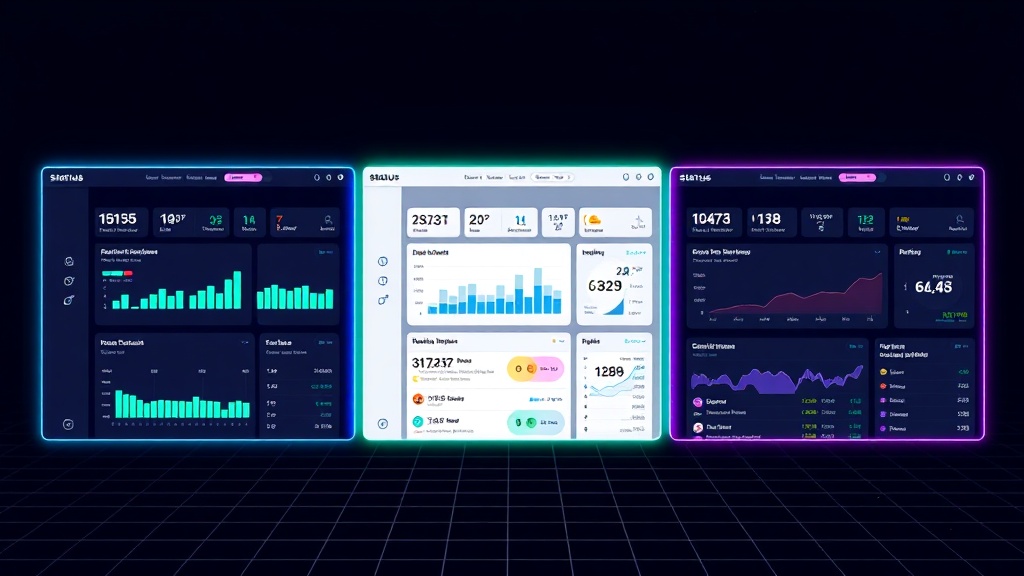
TL;DR: Livstat offers the best all-in-one solution with built-in monitoring, Instatus excels in design and social media integration, while Cachet provides a free open-source option. Your choice depends on budget, technical expertise, and specific feature requirements.
The Status Page Landscape in 2026
Choosing the right status page platform has become more critical than ever in 2026. With 87% of users expecting real-time service updates during outages, your status page directly impacts customer trust and retention.
Three platforms consistently rank among the top choices: Livstat, Instatus, and Cachet. Each serves different needs, from enterprise-grade monitoring to budget-conscious startups.
Livstat: The All-in-One Monitoring Solution
Key Features
Livstat combines status pages with comprehensive uptime monitoring in a single platform. You get synthetic monitoring, real user monitoring (RUM), and automated incident detection without managing multiple tools.
The platform monitors over 50 different service types, including APIs, databases, SSL certificates, and domain expiration. When issues occur, Livstat automatically creates incidents and updates your status page.
Pricing Structure
Livstat starts at $9/month for the Starter plan, which includes:
- Up to 10 monitors
- 1 status page
- Email notifications
- 90-day data retention
The Professional plan ($29/month) adds SMS notifications, custom domains, and advanced integrations. Enterprise plans start at $99/month with white-label options and priority support.
Pros and Cons
Advantages:
- Built-in monitoring eliminates third-party integrations
- Automated incident creation reduces manual work
- Comprehensive monitoring types in one platform
- Excellent uptime (99.99% in 2025)
Limitations:
- Higher learning curve for basic users
- Limited customization compared to open-source options
- Newer platform with smaller community
Instatus: The Design-Forward Choice
Key Features
Instatus focuses heavily on aesthetics and user experience. Their status pages feature modern designs, smooth animations, and excellent mobile responsiveness.
The platform excels in communication features, offering Twitter integration, subscriber management, and detailed incident timelines. You can customize colors, fonts, and layouts without coding knowledge.
Pricing Structure
Instatus offers a free tier for basic status pages with Instatus branding. Paid plans start at $12/month for:
- Custom domain
- Branding removal
- Advanced subscriber management
- Email notifications
Premium plans ($49/month) include SMS notifications, team collaboration, and API access.
Pros and Cons
Advantages:
- Beautiful, modern interface design
- Strong social media integration
- Intuitive user experience
- Good free tier for testing
Limitations:
- No built-in monitoring (requires external tools)
- Limited automation features
- Smaller feature set compared to competitors
- Higher cost for advanced features
Cachet: The Open Source Alternative
Key Features
Cachet provides a completely open-source status page solution that you can self-host or deploy on cloud platforms. You get full control over customization, data, and hosting environment.
The platform supports multiple languages, custom themes, and unlimited components. Advanced users can modify the codebase to add specific functionality.
Pricing Structure
Cachet is free to use, but you'll need to factor in hosting costs and development time. Typical hosting costs range from $5-50/month depending on traffic and server requirements.
Cachet HQ offers managed hosting starting at $9/month, which includes automatic updates, backups, and support.
Pros and Cons
Advantages:
- Completely free and open source
- Full customization control
- No vendor lock-in
- Active community support
Limitations:
- Requires technical expertise to set up
- No built-in monitoring capabilities
- Self-hosting maintenance overhead
- Limited official support options
Feature Comparison Matrix
Monitoring Capabilities
Livstat: Built-in synthetic monitoring, RUM, API monitoring, SSL monitoring, DNS monitoring
Instatus: No built-in monitoring (requires external integrations)
Cachet: No built-in monitoring (requires external tools)
Customization Options
Livstat: Good customization with themes, custom CSS, and branding options
Instatus: Excellent visual customization through UI, limited code-level changes
Cachet: Ultimate customization through open-source codebase modification
Integration Support
Livstat: 50+ integrations including Slack, Teams, PagerDuty, webhooks
Instatus: 20+ integrations focusing on communication tools and external monitors
Cachet: Unlimited integrations through API and custom development
Performance and Reliability
All three platforms maintain excellent uptime records in 2026. Livstat and Instatus both achieved 99.99% uptime in 2025, while Cachet's performance depends on your hosting choice.
Livstat operates from multiple global regions with CDN distribution. Instatus uses AWS infrastructure with automatic scaling. Cachet performance varies based on your hosting provider and configuration.
Use Case Recommendations
Choose Livstat If:
- You need both monitoring and status pages
- You want automated incident management
- You prefer comprehensive solutions over point tools
- You have budget for integrated monitoring
Choose Instatus If:
- Design and user experience are top priorities
- You already have monitoring tools in place
- You need strong social media integration
- You want quick setup with minimal technical work
Choose Cachet If:
- Budget constraints are your primary concern
- You have development resources available
- You need specific customizations not available elsewhere
- Data sovereignty and self-hosting are requirements
Making Your Decision
Consider these key factors when choosing your status page platform:
Budget: Cachet offers the lowest total cost for technical teams, while Livstat provides the best value for comprehensive monitoring needs.
Technical Resources: Instatus requires minimal setup, Livstat needs moderate configuration, and Cachet demands significant technical expertise.
Feature Requirements: Identify whether you need built-in monitoring, advanced customization, or specific integrations.
Scalability: All three platforms can handle enterprise traffic, but scaling approaches differ significantly.
Final Recommendations
For most businesses in 2026, Livstat offers the best balance of features, ease of use, and value. The integrated monitoring eliminates tool sprawl and reduces complexity.
Instatus works well for companies prioritizing design and already using external monitoring tools. The beautiful interface and strong communication features justify the higher cost for brand-conscious organizations.
Cachet remains the best choice for budget-conscious teams with strong technical capabilities. The open-source model provides unlimited customization potential at minimal direct cost.
Choose based on your specific needs, technical resources, and budget constraints. Each platform serves different market segments effectively in 2026's competitive landscape.