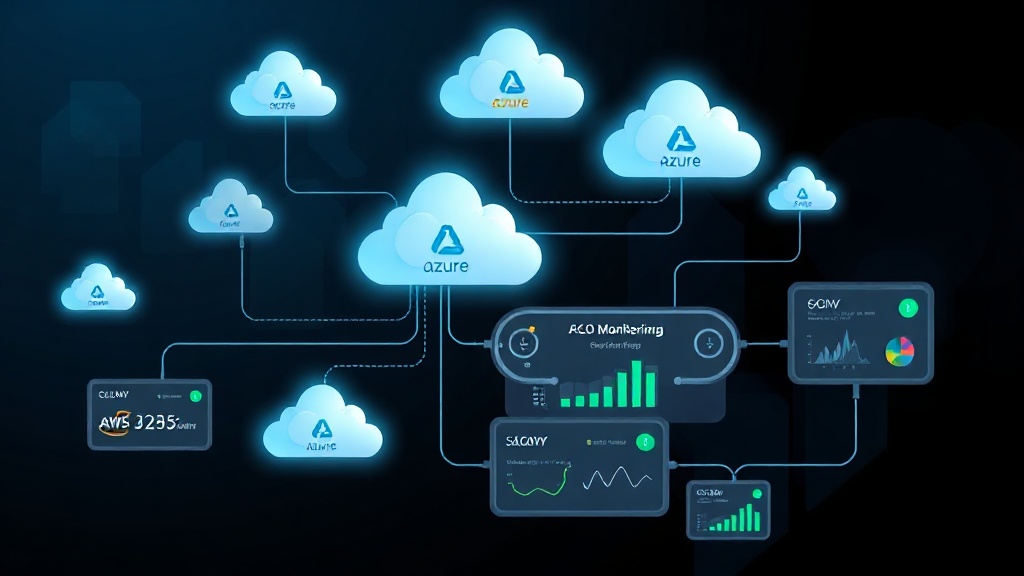
How to Set Up Status Page Monitoring for Edge Computing Infrastructure
Edge computing requires specialized monitoring strategies due to distributed nodes and network variability. Learn how to implement comprehensive status page monitoring across your edge infrastructure.
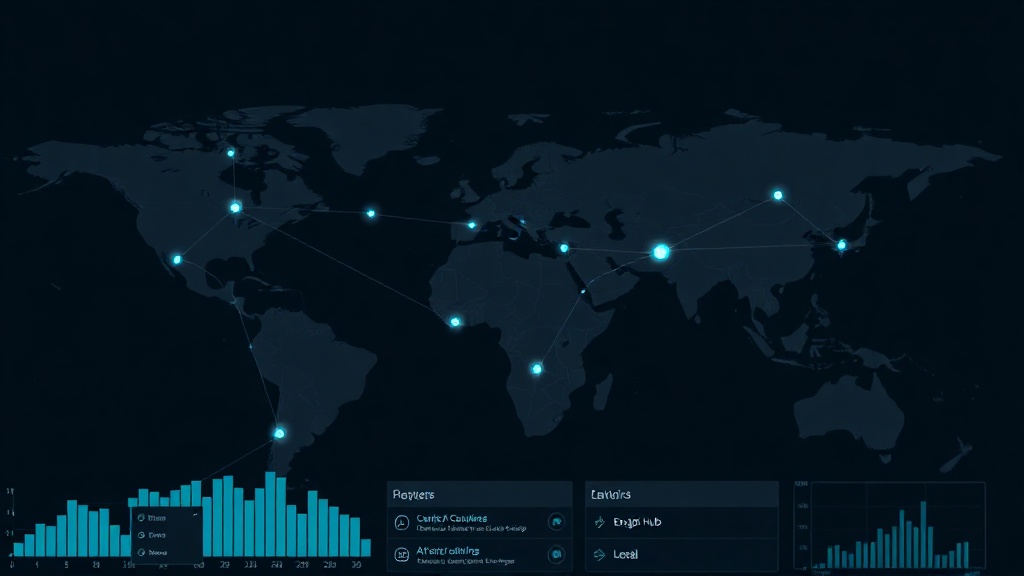
TL;DR: Edge computing infrastructure needs multi-layered monitoring that tracks edge nodes, network connectivity, and data synchronization. This guide covers setting up comprehensive status page monitoring for distributed edge environments, including synthetic monitoring, regional health checks, and automated incident detection across your edge network.
Understanding Edge Computing Monitoring Challenges
Edge computing infrastructure presents unique monitoring challenges that traditional centralized monitoring can't address. Your edge nodes operate in diverse environments—from retail stores to factory floors—each with varying network conditions and hardware constraints.
Unlike cloud infrastructure where you monitor a few centralized data centers, edge computing requires tracking hundreds or thousands of distributed endpoints. Each edge node can fail independently, and network connectivity between edge and core systems fluctuates based on local conditions.
The key challenge is maintaining visibility into this distributed ecosystem while providing meaningful status updates to your users. You can't simply monitor your core infrastructure and assume edge services are healthy.
Essential Components of Edge Infrastructure Monitoring
Edge Node Health Monitoring
Start by implementing health checks for individual edge nodes. Each node should report its operational status, including CPU usage, memory consumption, storage availability, and application health.
Set up lightweight monitoring agents on each edge device that can operate independently of network connectivity. These agents should cache health data locally and sync with your central monitoring system when connectivity allows.
Implement heartbeat monitoring where each edge node sends periodic "alive" signals to your central monitoring system. If a node stops sending heartbeats within a defined threshold (typically 2-3 missed intervals), flag it as potentially offline.
Network Connectivity Assessment
Monitor the network paths between edge nodes and your core infrastructure. This includes latency measurements, packet loss detection, and bandwidth availability assessments.
Use synthetic transactions to test critical data flows between edge and core systems. For example, if your edge nodes process customer orders that sync to a central database, create synthetic orders to verify this pipeline remains functional.
Implement multi-path monitoring where possible. Many edge deployments use redundant network connections, so monitor each path independently and track which connections are active.
Data Synchronization Monitoring
Edge computing often involves data replication between edge nodes and central systems. Monitor the synchronization lag between edge and core data stores.
Track sync queue depths at each edge location. Growing queues indicate potential connectivity issues or processing bottlenecks that could impact user experience.
Set up alerts for data inconsistencies between edge and core systems. This helps identify split-brain scenarios where edge nodes operate with stale data.
Implementing Regional Status Monitoring
Geographic Service Grouping
Organize your edge infrastructure monitoring by geographic regions or service areas. Instead of showing individual node status (which could overwhelm users), aggregate health information by region.
For example, group all edge nodes serving the Pacific Northwest into a single "West Coast" service component on your status page. This provides meaningful information to users without exposing internal infrastructure complexity.
Define region-level health based on node availability thresholds. You might consider a region "operational" if 90% of nodes are healthy, "degraded" if 70-89% are healthy, and "major outage" if fewer than 70% are operational.
Edge-to-Core Connectivity Status
Create dedicated status page components for edge-to-core connectivity in each region. This helps users understand whether local edge services are available even if core system connectivity is compromised.
Monitor both directions of connectivity—edge nodes reaching core services and core services reaching edge nodes. These can fail independently due to network routing issues or firewall configurations.
Implement graduated alerting where minor connectivity issues don't immediately trigger status page updates, but persistent problems across multiple nodes in a region do.
Automated Incident Detection for Edge Infrastructure
Multi-Node Correlation
Set up monitoring rules that correlate failures across multiple edge nodes. A single node failure might be a hardware issue, but simultaneous failures across multiple nodes in a region likely indicate a broader infrastructure problem.
Implement geographic correlation logic that considers the physical proximity of edge nodes. Nodes in the same building or served by the same ISP should be grouped for failure correlation.
Use time-based correlation windows (typically 5-15 minutes) to group related failures and prevent alert storms when cascading failures occur.
Service Impact Assessment
Define service impact levels based on the number and distribution of affected edge nodes. Calculate what percentage of your user base is impacted when specific nodes or regions experience issues.
Automate the creation of status page incidents when impact thresholds are exceeded. For example, automatically create a "service disruption" incident when more than 15% of users in a region are affected.
Implement smart escalation that considers user impact over raw node count. Losing 10 nodes in a sparsely populated area might have less impact than losing 2 nodes in a major metropolitan region.
Performance Degradation Detection
Monitor performance metrics across your edge infrastructure, not just up/down status. Edge computing performance can degrade gradually due to resource constraints or network congestion.
Set up synthetic transaction monitoring that measures end-to-end response times from edge locations. Alert when response times exceed acceptable thresholds, even if individual components remain operational.
Track performance trends over time to identify degrading edge nodes before they fail completely. This enables proactive maintenance and prevents user-impacting outages.
Status Page Configuration Best Practices
Component Structure Design
Structure your status page components to reflect your users' experience rather than your internal infrastructure. Create components like "West Coast Edge Services" or "Retail Location Processing" instead of individual server names.
Group related edge services into logical components. If your edge infrastructure supports both point-of-sale and inventory systems, create separate components for each service type.
Implement component dependencies where edge services rely on core infrastructure. This helps explain cascading impacts when core systems affect edge functionality.
Maintenance Window Management
Schedule maintenance windows for edge infrastructure updates, recognizing that you can't update all nodes simultaneously. Plan rolling updates that maintain service availability while updating edge nodes in batches.
Communicate maintenance schedules clearly, especially for region-specific updates. Users in affected areas need advance notice of potential service disruptions.
Implement automated maintenance window detection for edge nodes that temporarily disconnect for updates. This prevents false alarms during planned maintenance activities.
Incident Communication Strategy
Develop incident templates specific to edge computing scenarios. Templates for "Regional Connectivity Issues" or "Edge Node Cluster Failure" help ensure consistent communication during outages.
Include geographic context in incident communications. Users need to know whether an issue affects their specific region or location.
Provide workaround instructions when possible. If edge services are down but core systems remain available, explain how users can access alternative service channels.
Advanced Edge Monitoring Techniques
Predictive Health Scoring
Implement predictive health scoring for edge nodes based on historical performance data, environmental factors, and usage patterns. This helps identify nodes at risk of failure before issues occur.
Consider external factors like weather patterns, local events, or seasonal usage variations that might impact edge node performance in specific regions.
Use machine learning models to identify abnormal patterns in edge node behavior that might indicate impending failures or performance issues.
Cross-Region Failover Monitoring
Monitor failover mechanisms between edge regions. When one region experiences issues, verify that traffic successfully redirects to healthy regions and that performance remains acceptable.
Test failover scenarios regularly and monitor the results. Automated failover that works in testing might fail under real-world conditions due to configuration drift or capacity constraints.
Track failover frequency and success rates as key performance indicators for your edge infrastructure resilience.
Integration with Status Page Platforms
Modern status page platforms like Livstat offer specialized monitoring capabilities for distributed infrastructure. Look for features that support geographic service grouping, automated incident correlation, and flexible alerting rules that accommodate edge computing complexity.
Integrate your edge monitoring data with your status page platform through APIs that support bulk updates and regional data organization. This ensures your status page accurately reflects the distributed nature of your edge infrastructure.
Conclusion
Effective status page monitoring for edge computing infrastructure requires a fundamentally different approach than traditional centralized monitoring. Focus on regional service health rather than individual node status, implement multi-layered monitoring that accounts for network variability, and automate incident detection that considers the distributed nature of edge deployments.
By following these practices, you'll maintain visibility into your edge infrastructure while providing meaningful status information to your users. Remember that successful edge monitoring is about understanding service impact across distributed locations, not just tracking the health of individual components.