Why Every Startup Needs a Status Page in 2024
Modern startups can't afford downtime surprises. A status page builds customer trust, reduces support tickets, and protects your brand when things go wrong.
TL;DR: Status pages are no longer optional for startups in 2024. They're essential for customer trust, operational transparency, and business growth. Even small teams can implement them easily, and the ROI in reduced support costs and improved customer satisfaction is immediate.
The Hidden Cost of Silent Outages
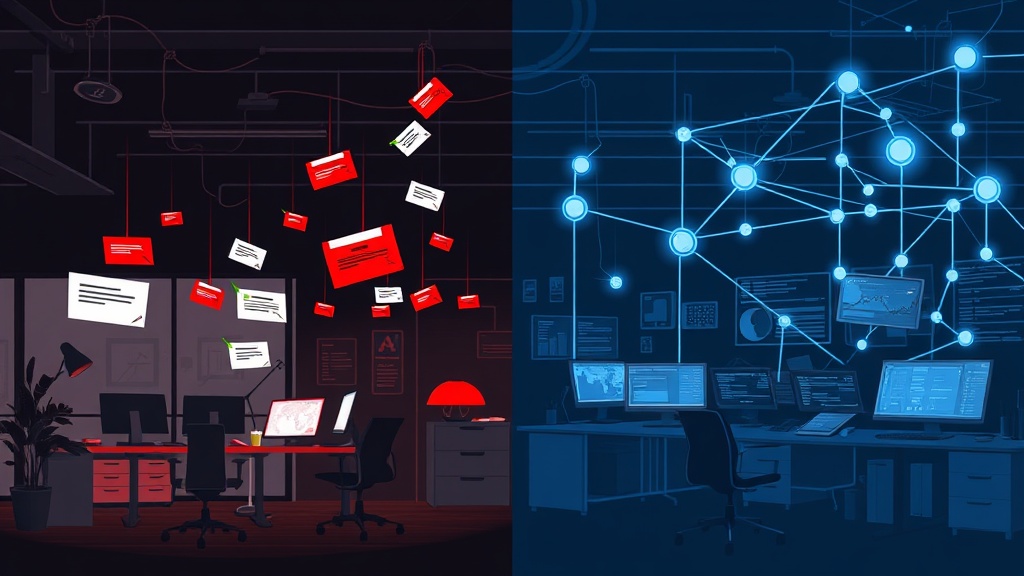
Your startup's API went down at 3 AM. Your customers wake up to broken integrations, failed transactions, and no explanation. By 9 AM, your support inbox is flooded with angry messages, your social media mentions are turning negative, and potential customers are already exploring alternatives.
This scenario plays out daily across thousands of startups. The difference between companies that survive these incidents and those that don't? Proactive communication through a status page.
Customer Expectations Have Evolved
Today's users expect transparency. They've been trained by industry giants like GitHub, Stripe, and AWS to check status pages during service disruptions. When your startup doesn't have one, customers assume you're either unprofessional or hiding something.
A 2023 survey by Uptime Institute found that 89% of users prefer to check a company's status page before contacting support. Without one, you're forcing frustrated customers into your support queue, creating unnecessary friction during already stressful moments.
Modern buyers also evaluate vendor reliability before making purchasing decisions. A professional status page signals operational maturity and builds confidence in your service's reliability.
The Support Ticket Avalanche Problem
During a typical 2-hour outage, a startup with 1,000 active users might receive 50-100 support tickets asking "Is it just me?" Each ticket costs approximately $15-25 to handle when you factor in agent time and tools.
A simple status page update eliminates 70-80% of these tickets. Instead of explaining the same issue dozens of times, your team can focus on actually fixing the problem. The math is straightforward: a $20/month status page service saves hundreds of dollars in support costs during a single incident.
Building Trust Through Transparency
Transparency builds trust faster than perfection. Customers don't expect 100% uptime from startups — they expect honest communication when things go wrong.
Buffer's famous "transparent by default" approach includes detailed incident reports on their status page. This openness has become part of their brand identity and competitive advantage. Customers stick with companies that communicate honestly about problems.
Consider this customer response to a startup's status page update: "Thanks for the heads up! I appreciate knowing what's happening instead of wondering if it's my setup." That's the difference between a frustrated ex-customer and a loyal advocate.
SEO and Marketing Benefits
Status pages aren't just operational tools — they're marketing assets. A well-maintained status page with historical uptime data demonstrates reliability to potential customers researching your service.
Google indexes status pages, and positive uptime reports can appear in search results for your brand name. This creates additional opportunities to showcase your reliability and professionalism.
Many startups also use their status pages to announce new features, maintenance windows, and service improvements. It becomes a communication channel that customers voluntarily subscribe to.
The Technical Debt of Not Having One
Every month you delay implementing a status page increases the technical and communication debt you'll eventually need to address. As your customer base grows, the impact of poor incident communication compounds.
Startups that wait until after their first major outage to implement a status page often struggle with damaged customer relationships and lost revenue. It's much easier to set up proactive communication systems before you need them.
Real Costs of Downtime for Startups
Downtime hits startups disproportionately hard. While enterprise companies might lose thousands per minute, startups lose something more valuable: customer trust and momentum.
A 4-hour outage during peak usage can result in:
- 15-20% customer churn within 30 days
- Delayed deals as prospects question reliability
- Increased support costs for weeks following the incident
- Negative reviews that persist in search results
A status page won't prevent outages, but it transforms how customers experience them.
Implementation Doesn't Have to Be Complex
Modern status page solutions make implementation trivial. You don't need a dedicated DevOps team or complex infrastructure. Most services can be set up in under 30 minutes and integrate with your existing monitoring tools.
Start with the basics:
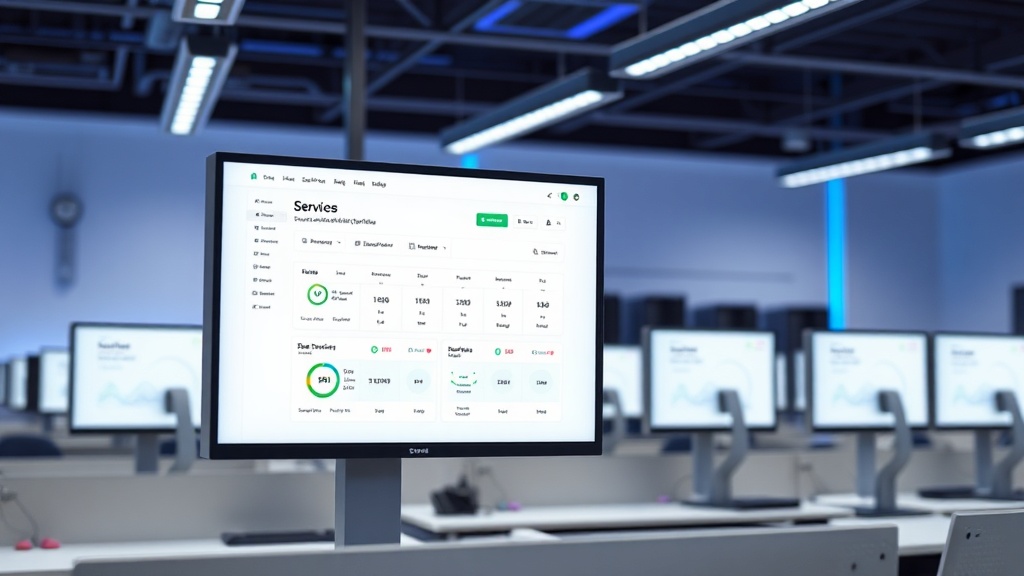
- Simple service status indicators (operational, degraded, outage)
- Incident updates with timestamps
- Subscription options for notifications
- Historical uptime display
As you grow, you can add features like component-level status, scheduled maintenance announcements, and detailed metrics.
Choosing the Right Solution for Startups
Startups need status page solutions that are simple to set up, affordable, and don't require ongoing maintenance. Look for services that offer:
- Built-in uptime monitoring
- Automatic incident detection
- Mobile-friendly interfaces
- API access for integration
- Reasonable pricing for small teams
Solutions like Livstat combine status pages with monitoring, reducing the number of tools you need to manage while keeping costs predictable.
The Competitive Advantage
While your competitors scramble to explain outages through support tickets and social media, your status page provides instant, professional communication. This operational maturity becomes a differentiator in sales conversations.
Prospective customers often ask about incident response procedures during technical evaluations. A professional status page with historical data demonstrates that you take reliability seriously and have processes in place to handle issues.
Beyond Just Outages
Status pages serve multiple communication needs beyond incident management:
- Scheduled maintenance announcements
- New feature rollouts
- Performance improvements
- Regional service updates
- Security patch notifications
This centralized communication hub reduces the burden on your marketing and support teams while keeping customers informed.
The Bottom Line
In 2024, not having a status page is like not having a website in 2010 — technically possible but professionally questionable. The cost of implementation is minimal compared to the cost of poor incident communication.
Start with a simple setup today. Your future self (and your customers) will thank you when things inevitably go wrong. The question isn't whether you'll experience service disruptions — it's whether you'll communicate about them professionally.